
Successful Conclusion to CoE-37 Project: Stakeholders Unite to Safeguard the Indus River’s Future
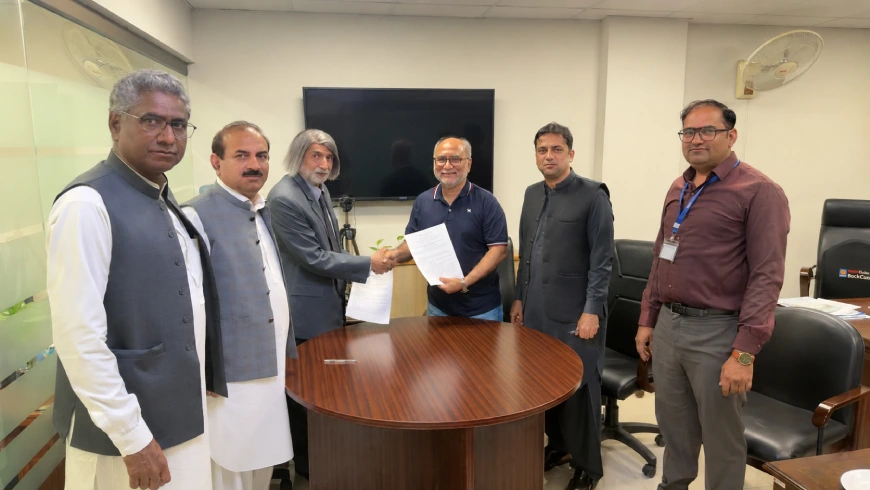
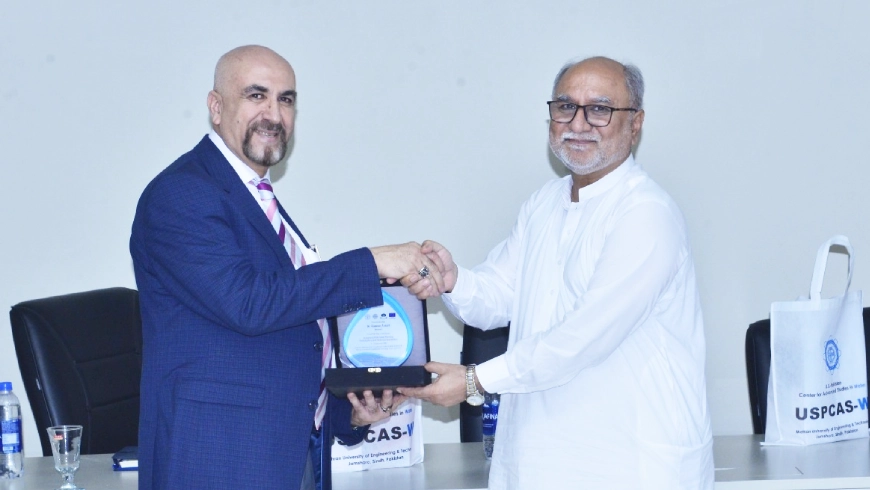
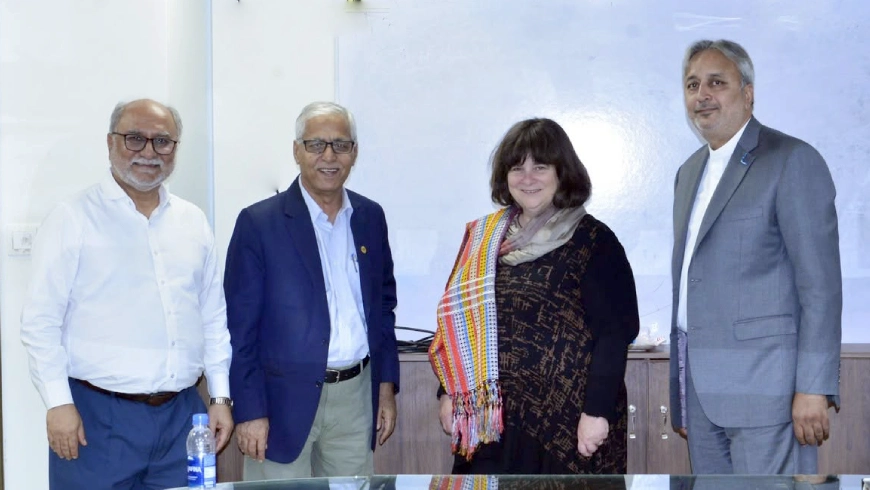
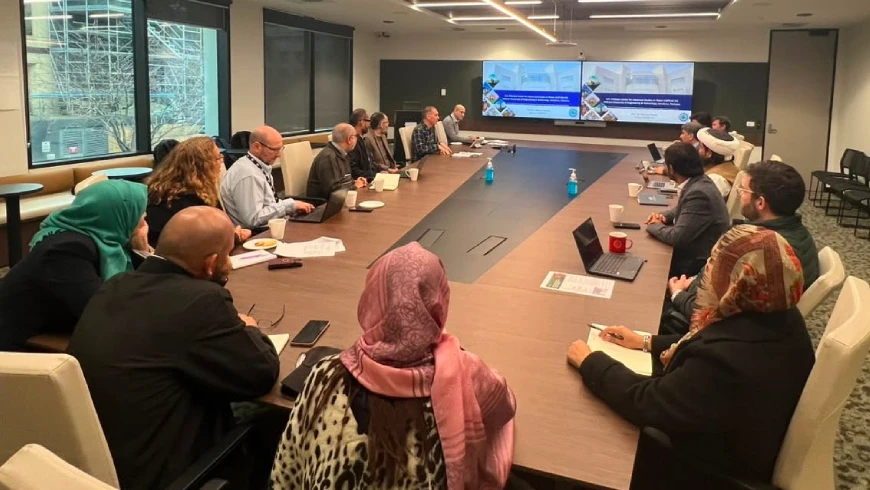
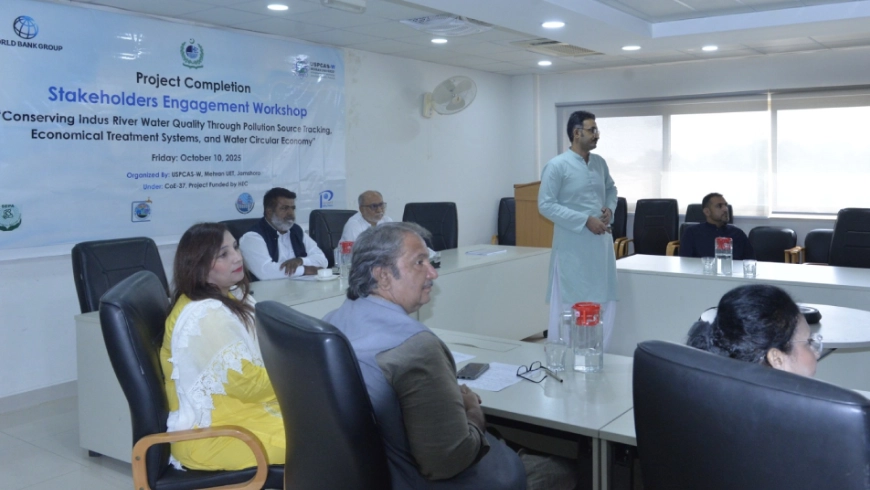
The U.S.-Pakistan Center for Advanced Studies in Water (USPCAS-W) at Mehran University of Engineering and Technology (MUET) successfully hosted the Final Stakeholders Engagement Workshop under the CoE-37 project. This hybrid event drew diverse stakeholders, including international participants from Canada and Thailand, uniting to address the urgent need to conserve the Indus River’s water quality.
Imagine a river that’s not just a lifeline for millions but a thriving ecosystem free from pollution’s grip. That vision drives CoE-37, a 36-month initiative funded by Pakistan’s Higher Education Commission (HEC). Over the past three years, the project has tackled the Indus River’s water quality challenges head-on, using cutting-edge techniques to track pollution sources, design affordable treatment systems, and promote a “water circular economy” that recycles and reuses water sustainably. From assessing emerging contaminants to estimating health costs from polluted waters, the team’s work highlights how unchecked urban and industrial waste threatens our health, economy, and environment—and how we can turn the tide.
Prof. Dr Kamran Ansari, Director of USPCAS-W, set the tone with heartfelt opening remarks, welcoming everyone and outlining the workshop’s objectives to share the project’s physical results and outcomes.
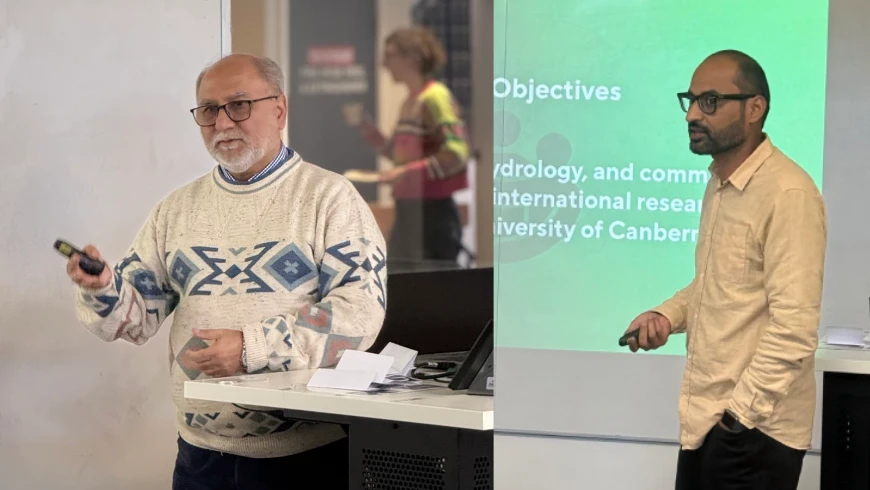
Dr Zubair Ahmed, the former Principal Investigator, kicked off the session with an inspiring overview, sharing the project’s key achievements: multiple research papers published in top journals, five insightful policy briefs, and a series of stakeholder events that have sparked authentic dialogue. “We’ve not only mapped pollution hotspots along the Indus but also proposed practical solutions like nature-based, cost-effective, and community-friendly treatments,” Dr Zubair shared, emphasising the human impact. “This isn’t just about data; it’s about protecting families who rely on this river for drinking, farming, and life itself.”
Dr Tanveer Ahmed then delved into the Water Circular Economy framework, a game-changer that shifts from wasteful “take-make-dispose” habits to resilient, inclusive systems. He painted a picture of cities like Lahore, Faisalabad, and Hyderabad adopting on-site treatments to reduce pollution, preserve natural resources, and even create economic opportunities through water reuse.
The event wrapped up with Prof Dr. Rasool Bux Mahar, Vice Chancellor of SBBUTSD, Khairpur Mirs, outlining the way forward. “Collaboration is key,” he urged. “By forging strategic partnerships and implementing these findings, we can build a healthier Indus for future generations.” At the same time, Director Kamran Ansari closed with heartfelt remarks, thanking all participants and reinforcing the commitment to action.
Attendees engaged in lively Q&A, sharing feedback that will shape future actions, from stricter regulations to public awareness campaigns. This workshop isn’t the end—it’s a launchpad. The CoE-37 team has already hosted international conferences, trainings on wastewater methods, and policy discussions, all aimed at making clean water a reality for Pakistan’s communities. As one participant noted, “Seeing experts from Canada and Thailand join us online reminds us we’re all in this together—water knows no borders.