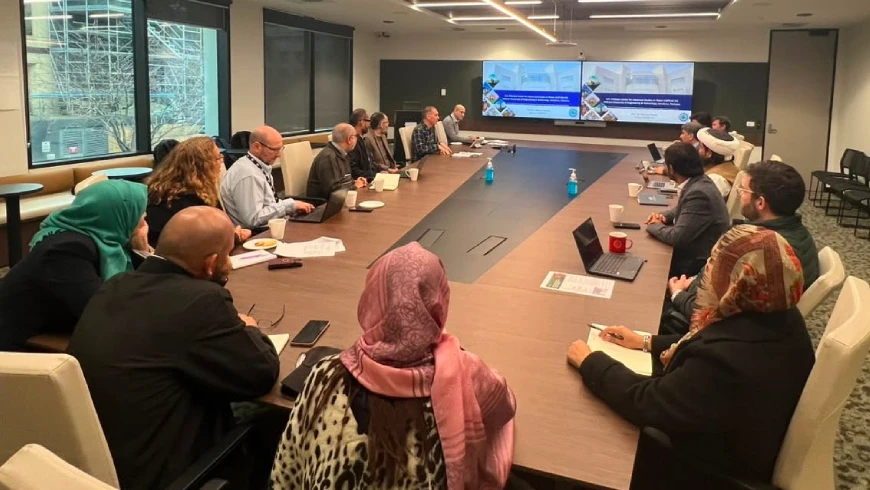


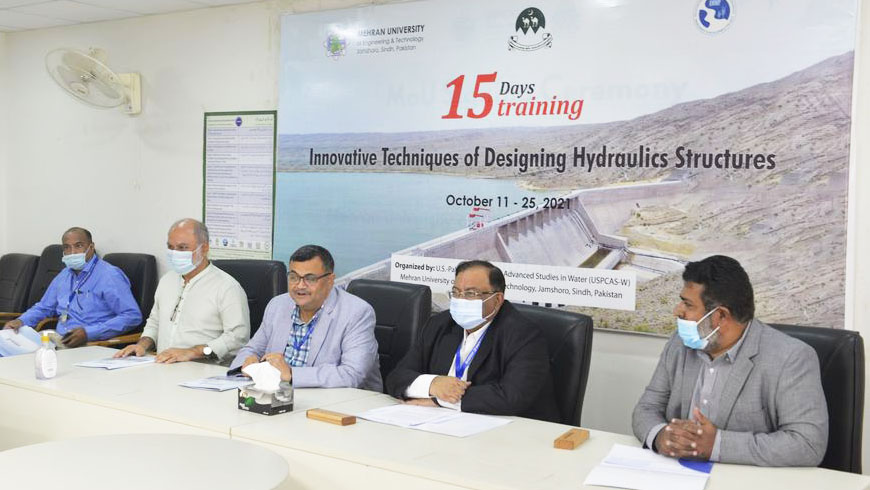
Fifteen days training on “Innovative Techniques of Hydraulics Structures Designing” at USPCAS-W, MUET, Jamshoro
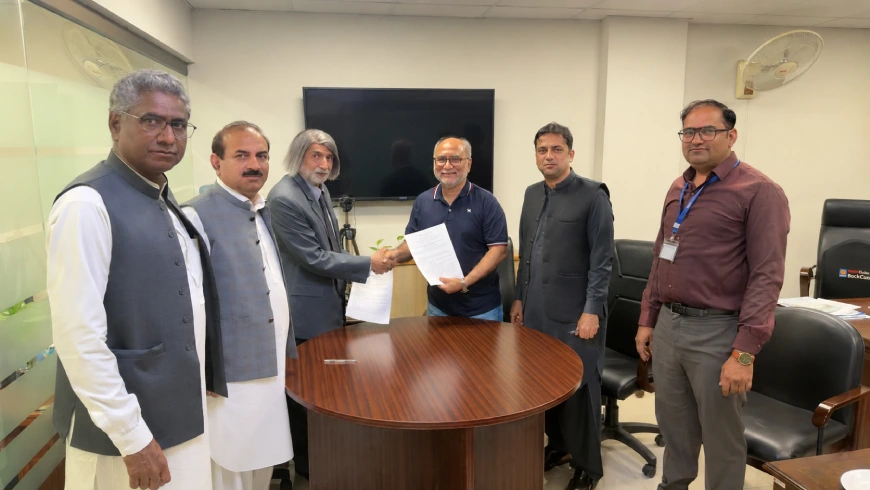
The training is sponsored by the Irrigation Department Government of Balochistan through World Bank.
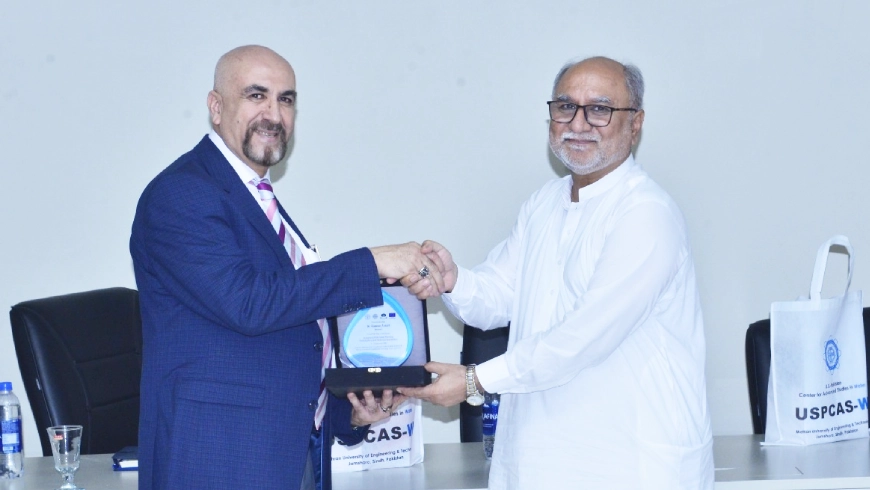
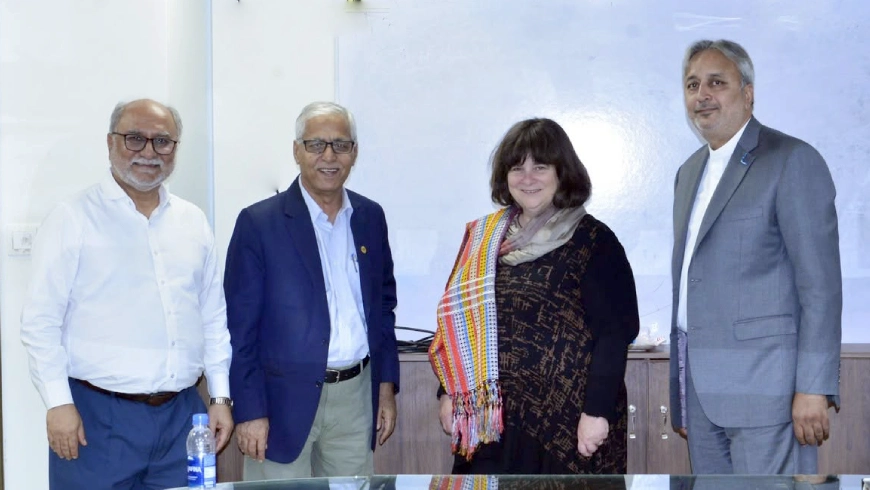
Prof. Dr Rasool Bux Mahar (Director USPCASW) greeted the Cheif Guest of the inaugural ceremony, Prof. Dr Mohammad Aslam Uqaili, Vice-Chancellor Mehran University of Engineering & Technology (MUET), Pro-Vice-Chancellor Prof. Dr Taha Hussain Ali, Mehran UET Jamshoro and Irrigation Department, Govt. of Sindh and General Manager (Transition) SIDA. He thanked and gratitude to the government of Baluchistan, ministry of irrigation, for providing funding to organize this training for the Engineers working in Baluchistan, said Director USPCAS-W.
Director USPCAS-W said that the overall goal of the US.-Pakistan Center for Advanced Studies in Water programs is to encourage competitive and innovative applied research that is multidisciplinary and developed within the broader context to support the achievement of Sustainable Development Goals on Water (SDG-6). The training is designed to build the capacity and professional development of the Irrigation Officials, under BIWRMD Project-Training on Advanced Learning Course Consisting of Best Global and Regional Practices and Innovative Techniques of Hydraulic Structures Designing. This training would train the participants on designing, operating, and maintaining the hydraulic structures and provide a collective approach for efficient water use, water conservation, and salinity control, said Director USPCAS-W.The Chief Guest of the inaugural ceremony, Vice-Chancellor Mehran University of Engineering & Technology (MUET), Prof. Dr Muhammad Aslam Uqaili welcomed all the participants and said that this Water Center is National Center and leading high-quality indigenous research. It was established with the United States Agency for International Development (USAID) and the Government of Pakistan. He said that MUET Water Center is one of the leading regional centres of excellence in water. Balochistan province is the largest province in terms of area and the least water province; we need to manage the available water, as the freshwater is limited and the population increases daily. Addressing the training participants, he said you are the backbone of the Irrigation department and need to produce reliable data and better human resources.
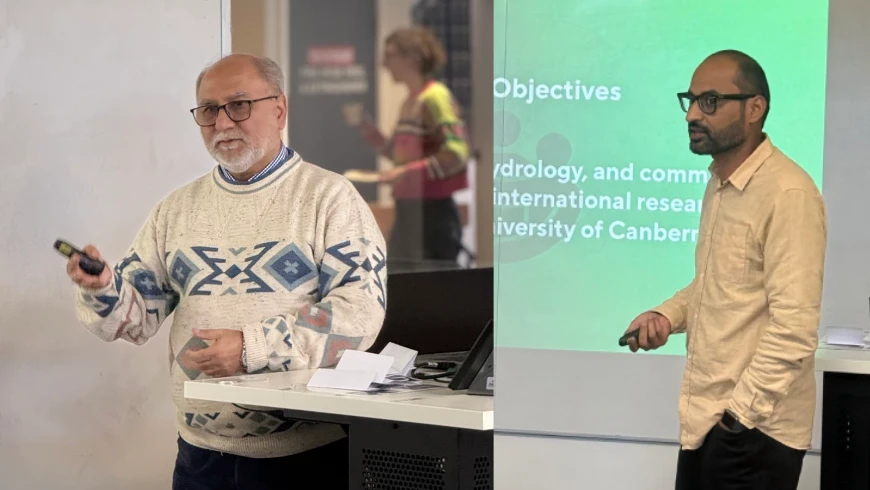
Among other speakers, Prof. Dr Kamran Ansari (Co-Director, USCAS-W), Pakistan is one of the World’s most arid countries. The population and the economy are heavily dependent on an annual influx of about 180 billion cubic meters of water into the Indus river system. Although the share of agriculture in the economy is decreasing, it is still the backbone of Pakistan’s economy, said Co-Director USPCAS-W.
Further, he said, unfortunately, the significant parts of Balouchistan are not included in the IBIS and are dependent on the River Basin; dams have been built on these rivers to manage the water. The aim is to develop the capacity of mid-level officials from the Balouchistan Irrigation department. In addition, co-director USPCAS-W said that participants would be learning different designing tools in this training.
Mr Ashfaque Soomro, Executive Director Research and Development Foundation, Mr Sajid Bhutto Deputy Program Manager SIDA and faculty members also attended the ceremony.